A day in the life of a trainee Functional Assessor: What training is really like
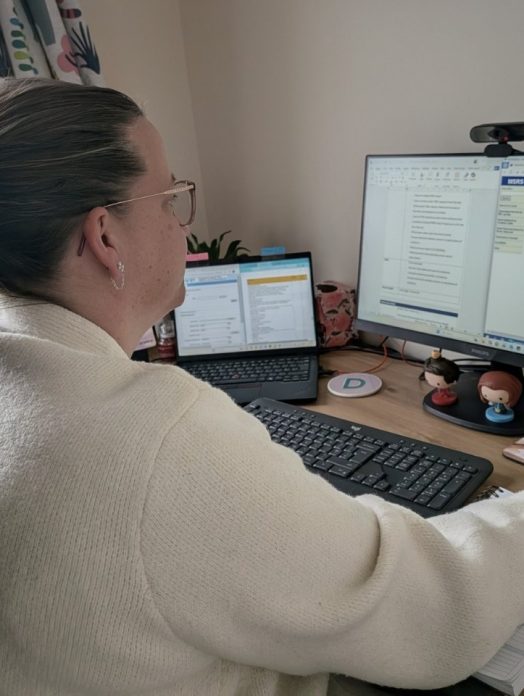
Changing careers can feel like a big step, but it can also open the door to a more balanced and sustainable working life.
Healthcare Professionals from a range of backgrounds, including nursing and physiotherapy, regularly join Advo Health. They bring strong communication skills, professional curiosity, and experience supporting people through complex situations.
For many, the move is about gaining more stability and structure, having greater control over their time, and finding a better work-life balance, including more time with what matters most to them. All while continuing to do meaningful work, just in a new setting.
When you’re stepping into something new, the right support matters, which is why Advo’s training is built around clear structure, accessible support and steady confidence-building.
This article explores what the early stages of training can look like through the experience of Donna Forrow-Boydell, who shares her reflections on her Work Capability Assessment (WCA) training journey so far.
“The support around the training makes a real difference, especially in the early stages when everything is still new.” Donna says.
Training at Advo: structured learning, supportive culture
Training is designed to be fast paced but achievable, with structure built in throughout the day. Trainees typically have a mix of:
- guided learning through webinars and live sessions
- independent eLearning modules
- supported practice, including exposure to real assessments with guidance from mentors
- live role plays and written work and competencies
- time to consolidate learning, ask questions, and build confidence
Training is delivered in stages to help new starters build knowledge and confidence step by step. If you’d like to see how the programme is structured from start to finish, including a stage-by-stage breakdown, you can find more detail on our Functional Assessor training page.
Just as important as the structure itself is the support around it. New starters are encouraged to ask questions early, learn through feedback, and build confidence step by step in an environment designed to help them succeed.
In this short video, Donna shares a glimpse into a day in her life and what the training journey has looked like for her so far.
What trainees find challenging (and what helps)
The learning curve can be significant, especially early on. Trainees often say the biggest challenge is the depth of knowledge required, particularly understanding how a person’s health condition affects their day-to-day functional ability.
“There’s definitely a lot to take in at the beginning, especially understanding how everything fits together, but it becomes clearer week by week.”
Many trainees also mention the adjustment to a different daily routine. Clinicians who are used to being active and on their feet may find it takes time to adapt to more desk-based work during training and assessment preparation.
For some, report writing can also feel like a new challenge at first, especially if they have not focused on this style of documentation before. With guidance, templates and regular feedback, confidence tends to build quickly over time.
What helps is having training that is broken down into manageable sections, with feedback that is structured and delivered in a supportive way. Trainees also highlight the importance of feeling able to have honest conversations, ask questions without judgement, and recognise progress over time.
Skills that transfer from nursing and clinical roles
From her experience, Donna highlights a few key skills that transfer strongly into the role:
- communication and rapport-building (adapting approach to different people)
- active listening and helping individuals feel heard
- professional curiosity and asking the right follow-up questions
- clear documentation and attention to detail
- professional judgement and calm, structured conversations
These strengths become even more effective when paired with structured training and support.
Practical tips from trainees starting out
Donna says a few simple things made a real difference in the early stages:
- take notes in a way that works for you (handwritten, digital, or both)
- recap key learning at the end of the day to help it stick
- ask questions early, rather than sitting with uncertainty
- stay focused on progress week by week
“Taking notes, asking questions early and revisiting what you’ve learned at the end of the day really helps. You start to notice your confidence building quite quickly.”
Many trainees also say report writing feels more manageable than expected once they begin using structured templates and guidance within the system.
Want to learn more?
“You don’t have to get everything straight away. It’s about building confidence step by step and trusting the process.”
If you’re exploring a career change and want to understand the Functional Assessor role in more detail, visit the Functional Assessors page on Advo Health.
For more insights into life at Advo, including stories from healthcare professionals who have made the move, explore our Careers advice & blogs.